


Profile
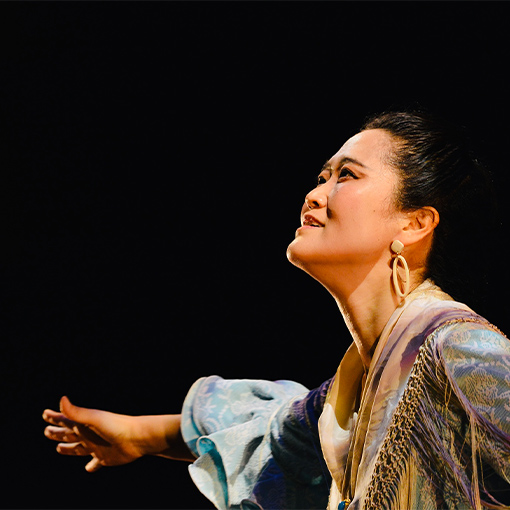
Founder
Megumi Miyata
From Gunma, Japan
Dancer. Explorer.
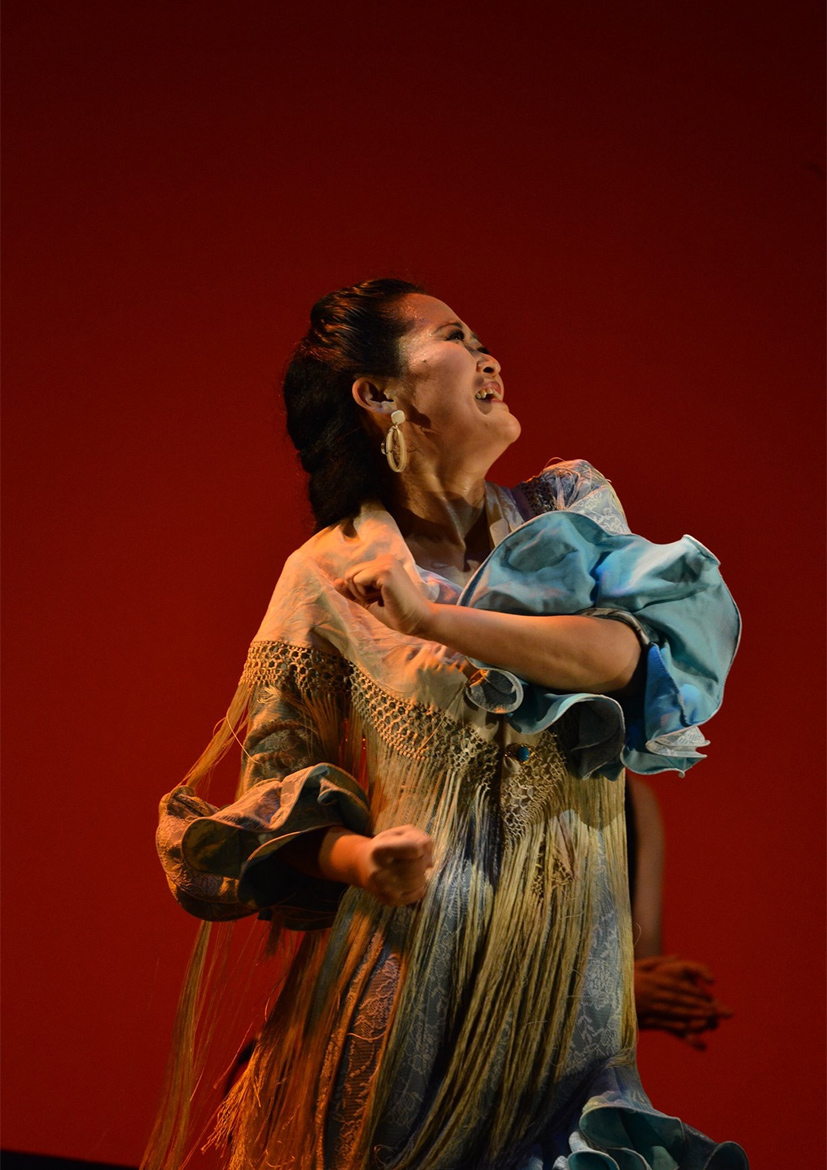
Flamenco awakened her passion for dance and moved to Spain and the Middle East. Living in a kibbutz and teaching flamenco in Israel and Palestinian refugee camp, she realized that dance is the path to peace. In 2014, she brought Movement Medicine to Japan, conducting workshops across countries to awaken the “dancer” that lives within everyone and laying the foundation for living in peace.
Speaking English, Spanish and Hebrew, she creates spaces as a bridge builder, connecting people and cultures across borders.
Movement Medicine® Certified Teacher
TaKeTiNa® Certified Teacher
Menarche Ceremony associate ceremonist
NPO Seven Generations Board Member
Path
| 1996 | Started flamenco with Adrián de Sevilla and Blanca at the “Centre de danse du Marais” |
|---|---|
| 2000 | Moved to a kibbutz in southern Israel. |
| 2003-2006 |
Studied at Fundación Cristina Heeren de Arte Flamenco under Milagros Mengíbar, Carmen Ledesma, Choni, Yolanda Lorenzo, and Rafael Campallo. Studied flamenco theory with Pepa Sánchez and later trained under Manuel Betanzos. Also studied with Farrucca, Soraya Clavijo, Ángel Atienza, and David Pérez. |
| 2007 | Taught flamenco at Adama School of Arts and Kullier School of Dance in Israel. |
| 2009 |
Performed “Aroma de Mujer” with Sylvia Baroch and Rafael Grao. Conducted workshops on flamenco and emotional expression at various festivals. Moved to Palestine and, after volunteering at Tent of Nations in Bethlehem, lived in Aida refugee camp teaching flamenco to children and women at Alrowwad Center. |
| 2010 |
Returned to Japan and founded Studio Gracia. Began studying at the School of Movement Medicine in the UK. |
| 2016 | Became a first certified Movement Medicine teacher in Japan. |
| 2017 |
Held the charity performance “Flamenco AMANOIWATOBIRAKI,” fusing flamenco with Japanese mythology. Became a Change the Dream Symposium facilitator. |
| 2018-2019 | The “Movement Medicine Japan National Tour” was held for the second consecutive year, taking place in 21 locations. |
| 2022 |
Became a certified teacher of rhythm work TaKeTiNa. Became a Movement Medicine Apprentice Leader. |
| 2024 | Completed TBAC (Menarche Ceremony Program) |
| 2025 | Became a Flow Game facilitator. |
| 2026 | Board Member of NPO Seven Generations. |
Passion for Dance
Encounter
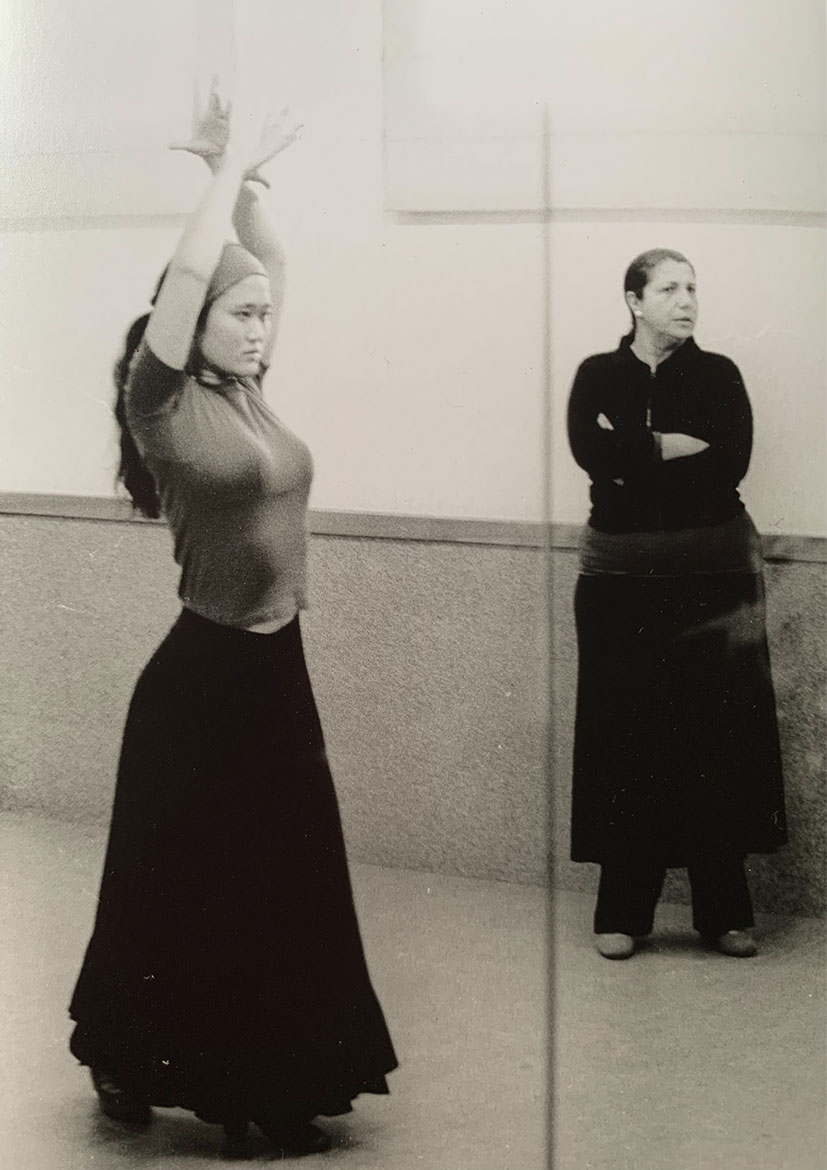
My interest in flamenco led me to dance.
I had absolutely no interest in any other dance forms, but for some reason, “I want to dance flamenco someday!”
I had decided this in my heart since I was a teenager.
My actual encounter with flamenco came through my first teacher, Blanca. At the time, I was living in the suburbs of Paris and was going to the Parisian library to study French. I met Blanca at the “Centre de danse du Marais”, which was near that library. She was small and slender. Even I, who am not particularly tall, seemed to look down on her. But her presence was greater than anyone else’s, and her eyes always gleamed.
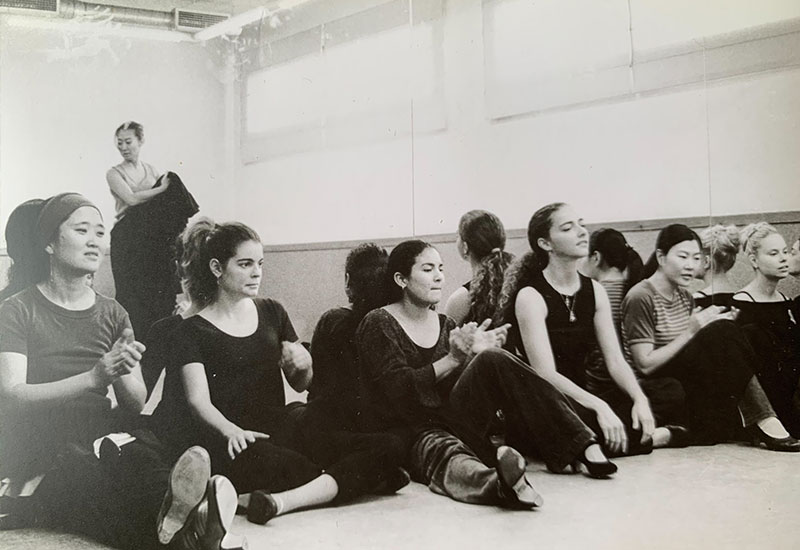
Then I had dyed my hair red, and she immediately nicknamed me “Carrot.” She quickly welcomed me into her arms, even though I had no prior experience with flamenco or dance.Interestingly, I don’t actually remember ever seeing her dance. Her daughter, Tatiana, and her husband, Adrián, always demonstrated the dances, while she would always gaze at us students with those intense, gleaming eyes and suddenly yell, “Carrot! That hand!!!” It was Blanca’s passion, her vitality, that drew me into flamenco.
Salvation
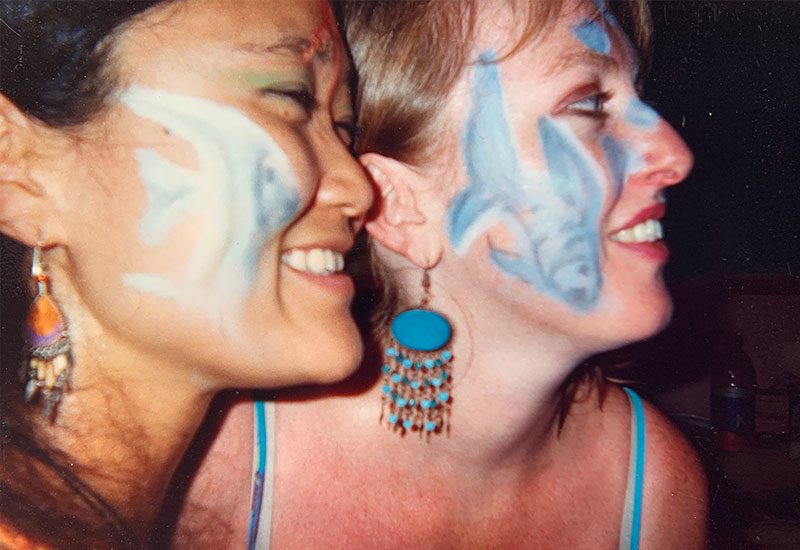
I wanted to dance flamenco more, and to do that, I had to go to the birthplace of flamenco! That’s when my “flamenco quest” began.
After arriving in Seville, the capital of Andalusia in southern Spain, and completing the school enrollment procedures, the question “Why flamenco?” arose in my mind.
The answer finally came to me after some time.
It was “salvation.”
When I watched a flamenco performance, the singers, dancers, and even the guitarists expressed anger, pain, and joy itself through their faces, bodies, and rhythms. It wasn’t just expression; it was as if they had become the essence of it-they were living them.
“It’s okay to reveal my true self…”
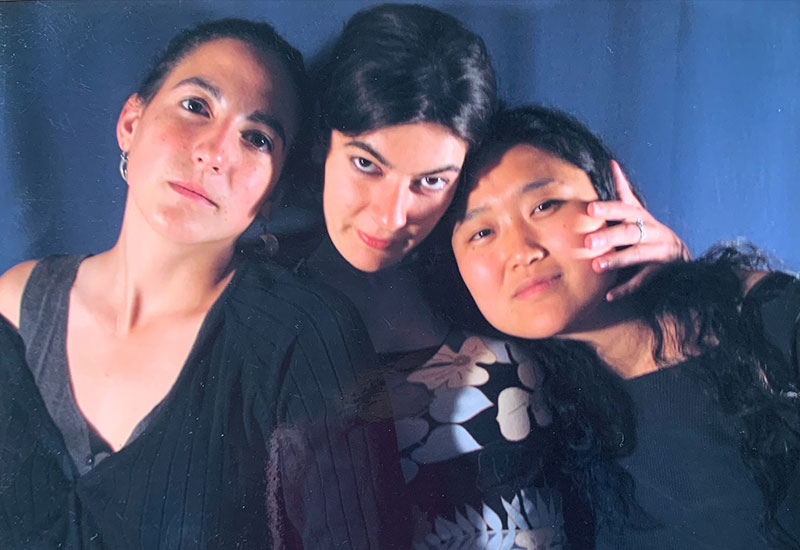
In flamenco, I saw the “way of life” encompassing everything—awkwardness, vulgarity, ugliness, everything.
I felt as if I had received that permission.
It’s ok to be myself.
There’s absolutely nothing wrong with being oneself.
There’s no need to be afraid, and no need to become someone or something that isn’t me.
It’s okay to express “myself” to the world.
This was the answer I had been searching for.
I found permission to live as myself through flamenco.
Wish
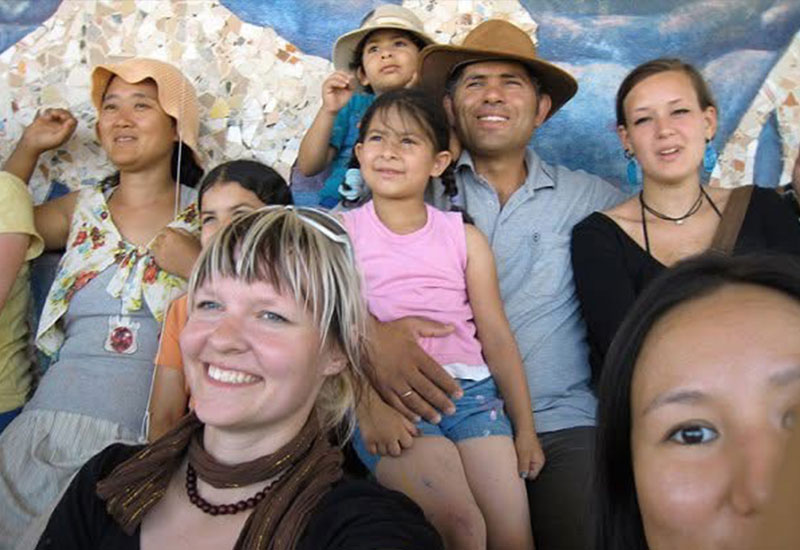
Flamenco was where my journey began, but it was during my time living in Israel and Palestine that my perspective expanded beyond flamenco to the broader possibilities of dance itself.
In these two countries—where diverse cultures and ethnicities coexist as vividly as a rainbow—I was fortunate to live in a kibbutz, a communal society, and become part of a family of nearly three hundred people.
Living together in such a community brought profound joy, far outweighing the challenges that naturally come with it. I was deeply touched by the history, religion, and traditions of the Jewish people, as well as by their resilience and generosity shaped through surviving persecution. Life there felt, in many ways, like heaven on earth.
Through collaborations with inspiring artists, and while teaching and performing at dance schools and festivals, I gradually became aware of a deep wish within myself:
“To bring peace to the world through dance.”
In these two lands, where conflict has been repeated over time, the fear of one’s existence being threatened is never far away. There is hardly anyone who has not been affected—whether by becoming a soldier, taking lives, or losing family members and loved ones. This is true for both Israelis and Palestinians alike.
I felt strongly that this reality must change. As a foreigner, I questioned what I could do. At times, I felt overwhelmed by the weight of history and the scale of nations. Yet I chose to shift my perspective and ask myself: What can I do, even as one individual?
Holding onto that question, I began living in Palestine as a volunteer.
It was there that I encountered words that would become a guiding principle in my life.
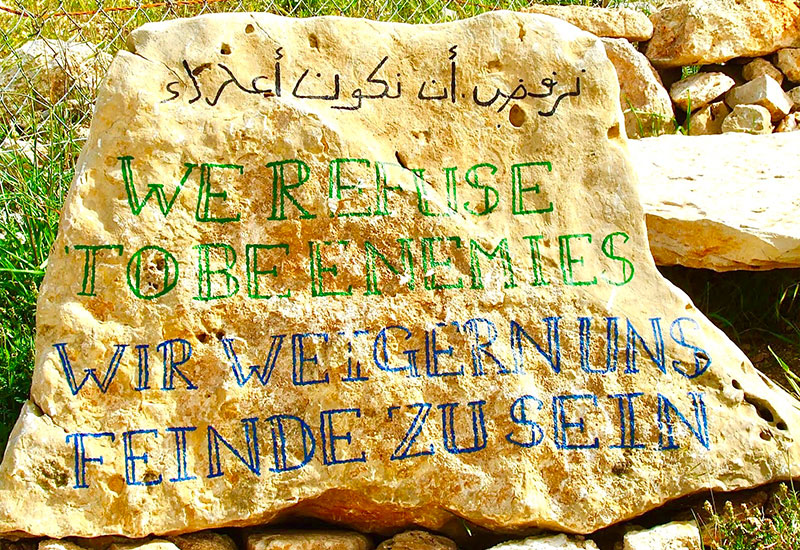
“We refuse to be enemies.”
This is the motto of the Nassar family of the Tent of Nations.
Daoud Nassar once said to us:
“When we stop placing ourselves in the position of being the enemy—no matter what the other side may do—an entirely new relationship becomes possible.”
The Nassar family, Palestinians who have endured relentless harassment and violence over their land, remain united in their commitment. No matter what happens, they refuse to hate others and continue to choose peace over violence.
And they are not alone.
In both Palestine and Israel, there are people who continue to act for peace without giving up.
By meeting these individuals and living alongside them, a genuine and unwavering hope for peace began to take root within me.
That hope gently encouraged me to take the next step forward.
Dance as a Path to Peace

Through dancing flamenco, I came to a firm conviction.
Dancing heals people.
Dancing empowers people.
Dancing reveals who we are.
Dancing transcends all boundaries.
Dancing with children at the Tent of Nations summer camp ignited a desire in me:
“I want to bring peace to this world through dance.”
I went to dance with children and women in refugee camps.
Through dance, beyond language, I wanted to connect people and keep the flame of hope burning.
This is when I began to explore dance as a path to peace—where dancing itself becomes hope.
It was around this time that I encountered Movement Medicine (MM). A friend, who was the secretary at the dance school where I was teaching, said to me:
“Megumi, this is something that seems made for you!”
Guided by those words, I went to Germany to attend the first MM workshop.
“Wild Life,” taught by Susannah Darling Khan, one of the MM founders.It was a three-day workshop where we rediscovered the wild life within us through dance and learned how to express it in a healthy way. On the first day, as soon as we started dancing, I knew it clearly:
“This is what I was looking for. I will teach this someday.”
It was a moment that profoundly changed the direction of my life.
During my travels around the world, I came to understand something:
There is no one in this world who does not wish for peace.
And everyone, by birth, has the right and desire to enjoy the joy of being alive.
“I want to bring peace to this world through dance.”
This wish has now taken a slightly different form.
Because I know I cannot bring peace to the world alone.
The only thing I can do is to remove the seeds of conflict lurking within myself and cultivate the strength to continue choosing peace. If inner peace and world peace have a fractal structure, then choosing to live each moment peacefully, rather than trying to become a savior who changes the world, is what will bring peace to this world. And I will continue to do so, supporting one another.
This is the foundation of peace that I am building through dance.